
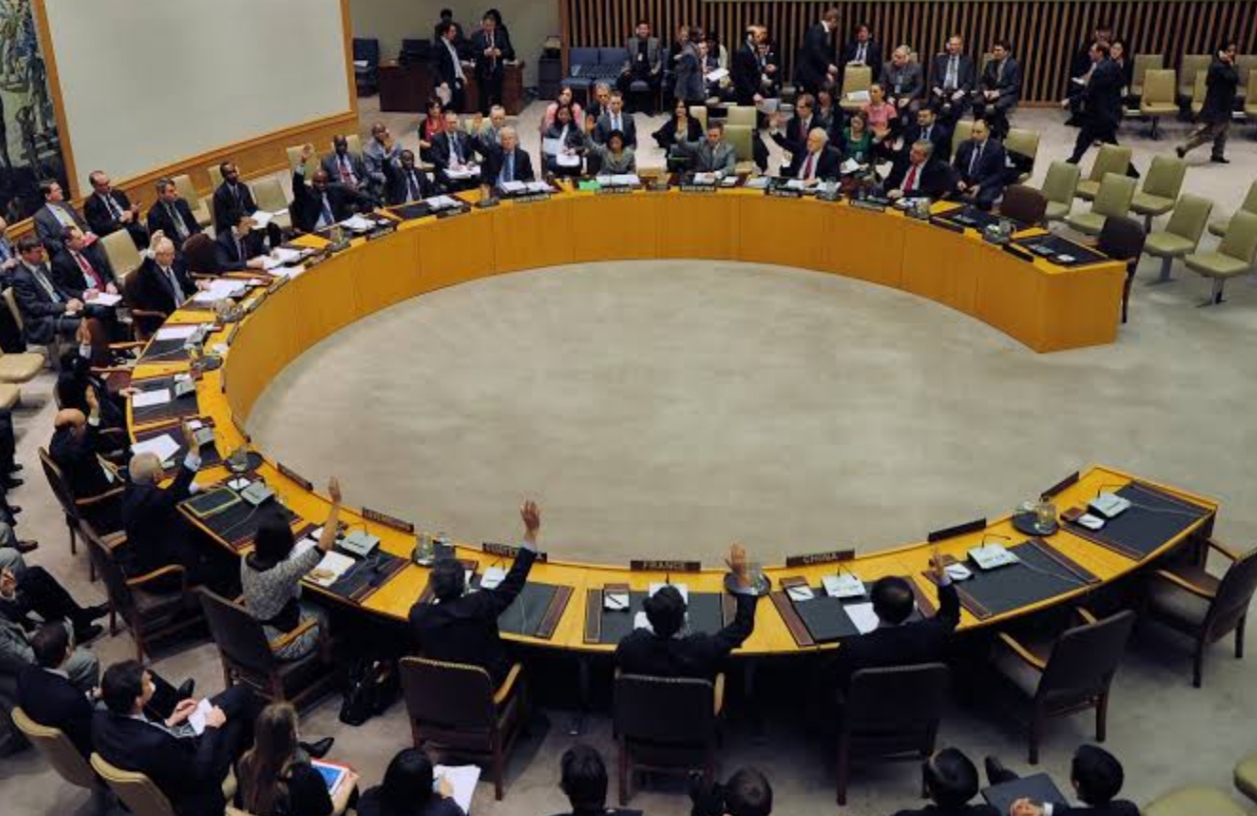
On July 28, 2025, an international peace conference convened at the United Nations Headquarters in New York—organized by France and Saudi Arabia—marking a bold diplomatic attempt to revive the Israeli–Palestinian two-state solution. However, the notable absences of Israel and the United States have cast a shadow over the event’s legitimacy and potential impact.
The two-day summit gathers foreign ministers, global diplomats, and UN representatives to discuss a roadmap to end the prolonged conflict between Israel and Palestine. France’s President Emmanuel Macron and Saudi Crown Prince Mohammed bin Salman emphasized their intent to “reshape the global dialogue” around Palestinian statehood and push for international recognition of a sovereign Palestine by the UN General Assembly in September 2025.
The U.S. and Israel have both denounced the summit. Israeli Prime Minister Benjamin Netanyahu labeled it “a stage for anti-Israel sentiment,” while the U.S. State Department called it “premature and counterproductive,” favoring bilateral dialogue instead.
Palestinian Authority officials, however, lauded the meeting as a “historic turning point,” claiming it provides a platform to voice years of suppressed demands for sovereignty, especially after over nine months of intense conflict in Gaza and the West Bank.
Major Points:
The summit could redefine future international diplomacy without traditional Western gatekeepers.
The absence of Israel raises questions about the conference’s practical outcome, yet signals a changing global alliance structure.
Analysts warn of deepening polarization, especially if France and other EU nations proceed with unilateral recognition of Palestine.
UN representatives stressed humanitarian concerns as central, citing rising civilian casualties and economic collapse in Gaza.
This meeting may not resolve decades of hostility overnight—but it opens a new chapter where the global South, Arab nations, and EU voices increasingly shape Middle East policy independent of the U.S. or Israel.